FOUNDATION & CONCEALER GUIDE
Find the Perfect Shade
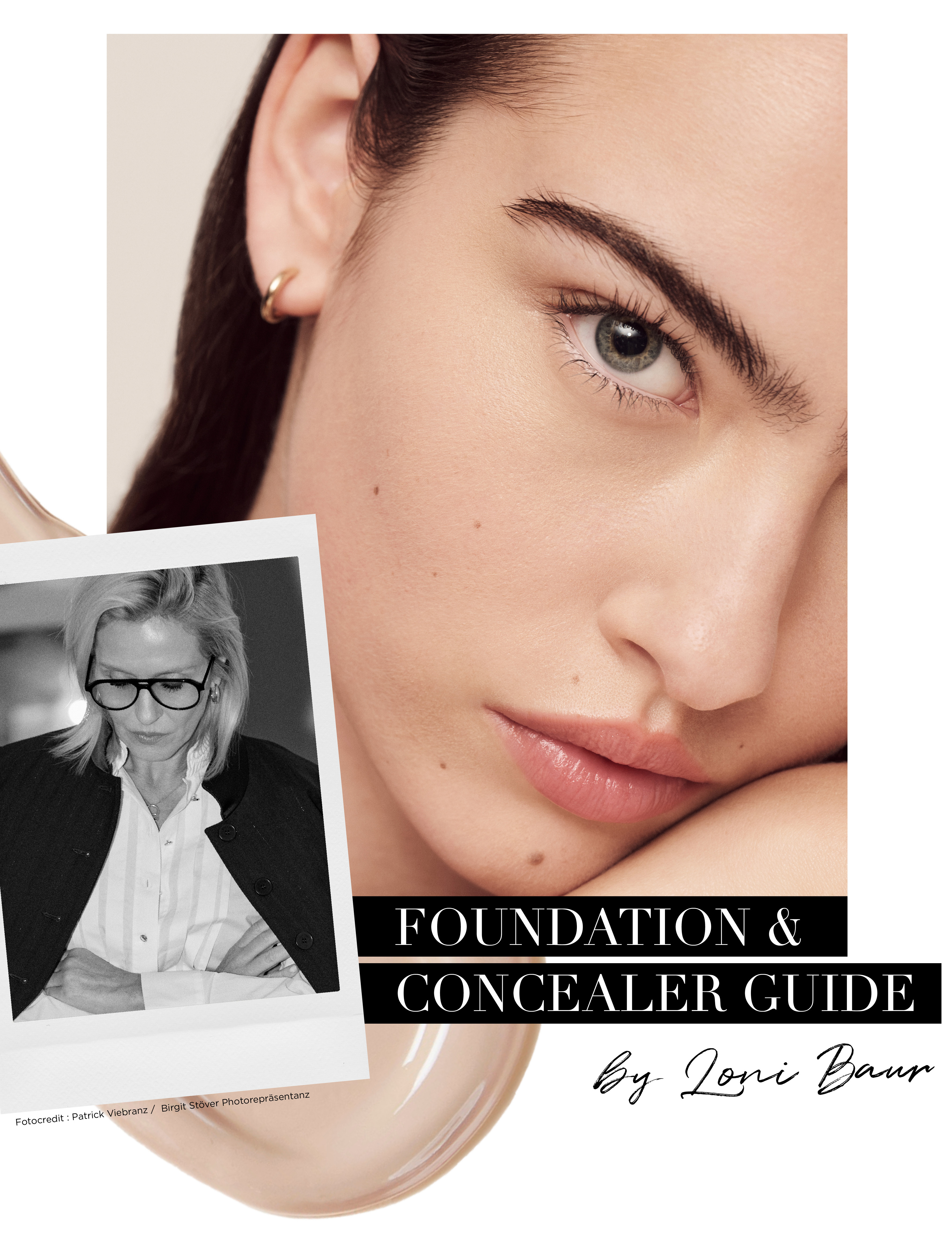
The right foundation should look like skin, not like makeup. But what really matters when choosing the right shade? We spoke with makeup expert Loni about shade matches, undertones, and common mistakes when buying foundation and concealer. Note: If you can’t find your perfect shade right away, you can now use our new Foundation Finder to find your match online.
What makes for the perfect shade match for you—for both foundation and concealer?
“A perfect shade match blends seamlessly with the skin without creating a visible transition to the neck or décolletage. It’s not just about lightness and depth—the undertone is also crucial. With concealer, the purpose also comes into play: blemishes should be covered as precisely as possible, while the under-eye area can be slightly brightened or color-corrected depending on the desired effect.”
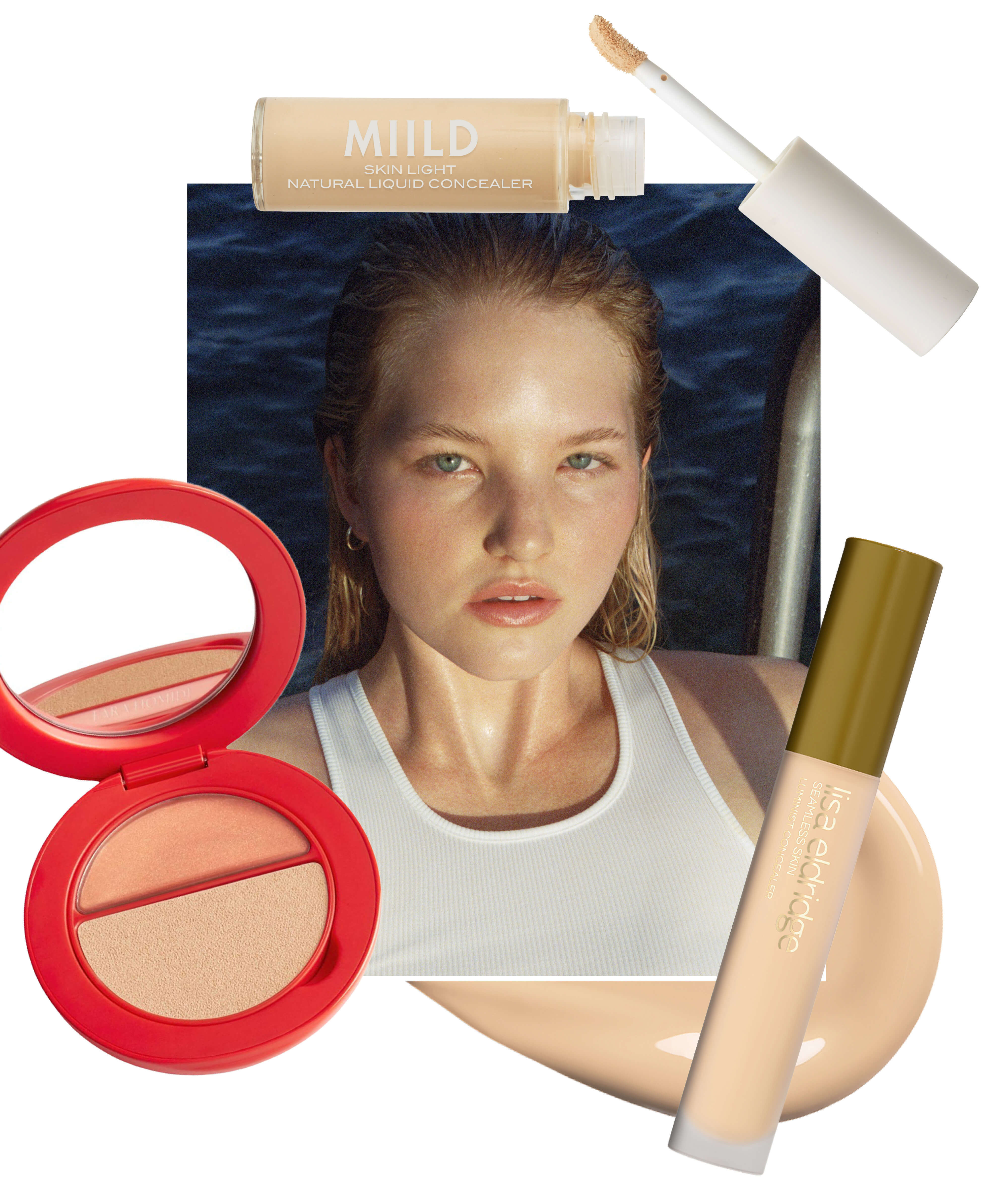
What’s the most common mistake when choosing the right shade?
“Many people test the color on the back of their hand. That area often has a different undertone than the face, neck, and décolletage. Another classic mistake: judging the shade immediately after application. Some foundations oxidize and become darker or warmer after a few minutes. That’s why you should always wait a moment before deciding—and, when in doubt, opt for non-oxidizing foundations right away. With concealers in particular, customers often choose shades that are much too light.”
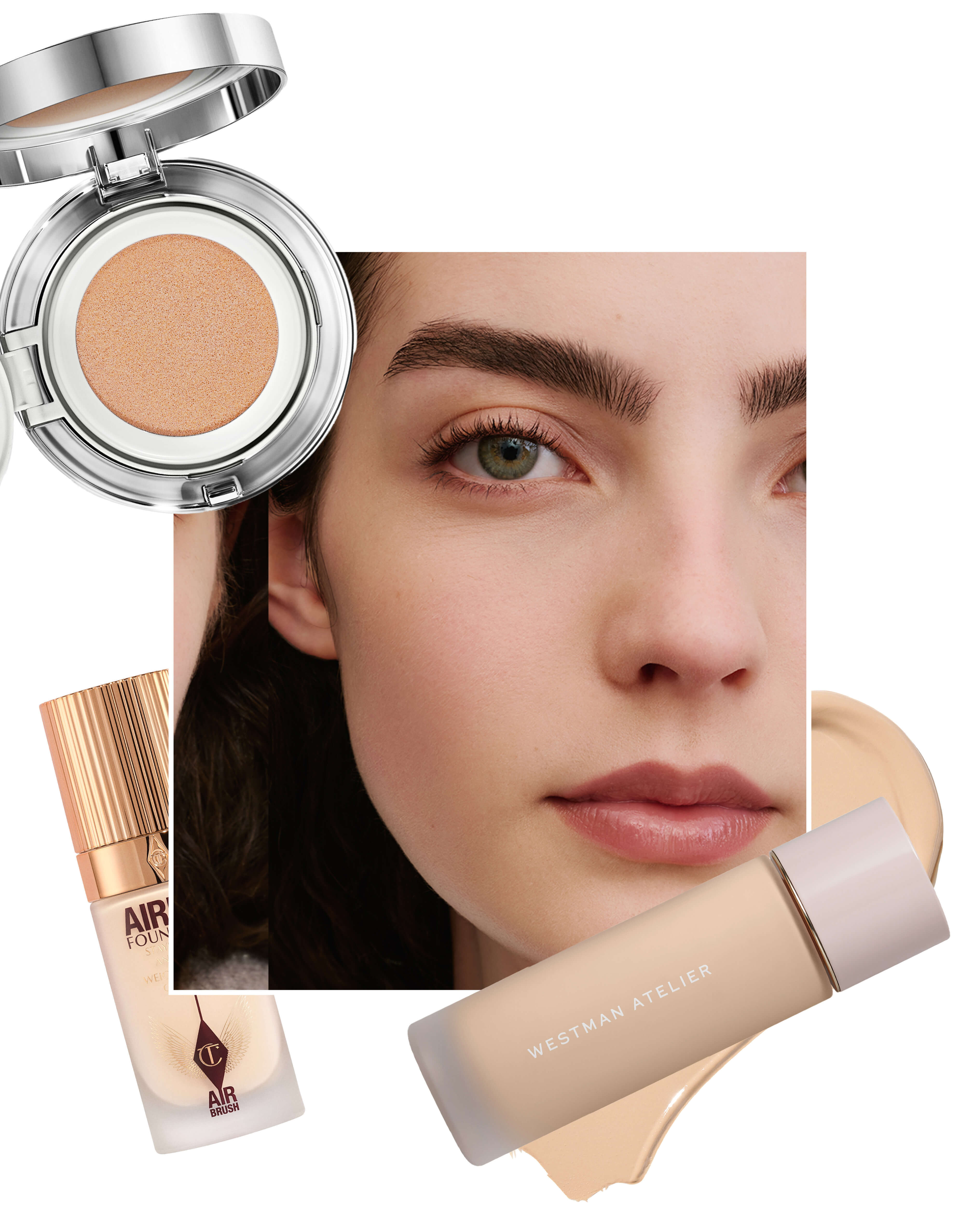
What role does undertone play, and what’s the easiest way to figure out your own?
“The undertone determines whether a foundation looks truly harmonious or suddenly appears orange, yellowish, pinkish, or grayish. Generally speaking, you can distinguish between warm, cool, neutral, and olive undertones. The most reliable method is a direct comparison: Apply one warm, one cool, and one neutral shade side by side on your jawline. The shade that visually blends in is usually the right one. The color of your veins or the jewelry rule can provide clues. According to the jewelry rule: If you look more harmonious with gold jewelry, you often have a warm undertone, while silver jewelry frequently indicates a cool undertone. However, this method isn’t foolproof. The most reliable way remains a direct comparison of different undertones on your jawline.”
Should concealer match your skin tone exactly, or should you deliberately choose a lighter shade?
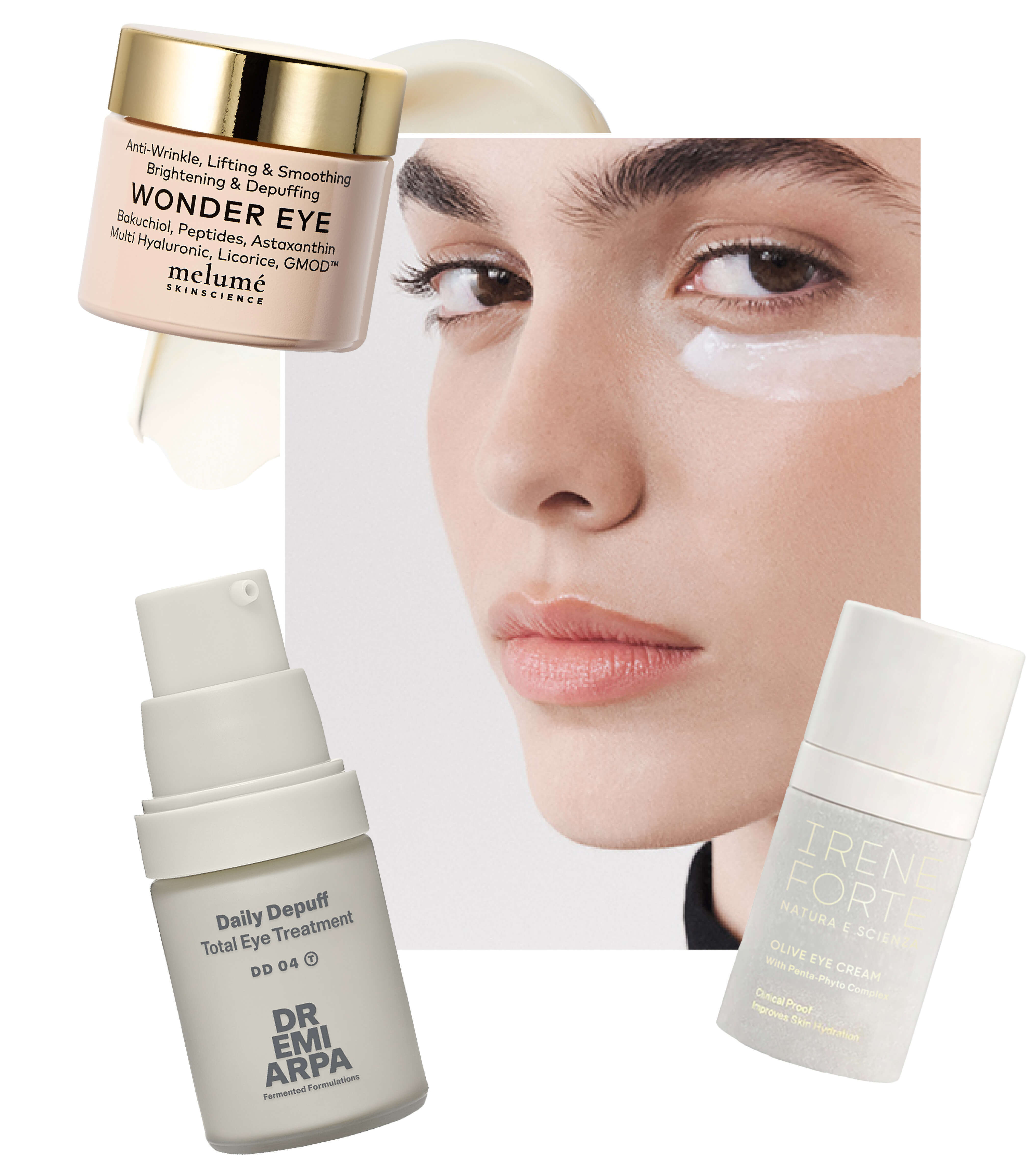
“That depends on the purpose. To cover pimples, redness, or pigmentation spots, it should match your foundation or skin tone exactly. A lighter shade would draw attention to the area. Under the eyes, it can be slightly lighter—ideally no more than half a shade to one shade lighter. Concealer that’s too light can quickly look gray, chalky, or unnatural. For deep shadows, a peach-colored corrector is often more effective than a very light concealer. It’s important, however, that the texture is fine enough—especially for skin over 40—otherwise it can quickly look mask-like.”
Loni’s tip: “Always blend the corrector with a light eye cream.”
Should you apply concealer or foundation first?
“In most cases, apply foundation first, followed by concealer. The foundation already evens out a lot, so you’ll need less concealer afterward and the result will look more natural. Corrector, on the other hand, is usually applied before foundation or before concealer. If you only want to cover specific areas and don’t want to wear foundation, you can, of course, apply concealer directly to well-moisturized skin.”
What are the differences between applying makeup with a brush versus your fingers?
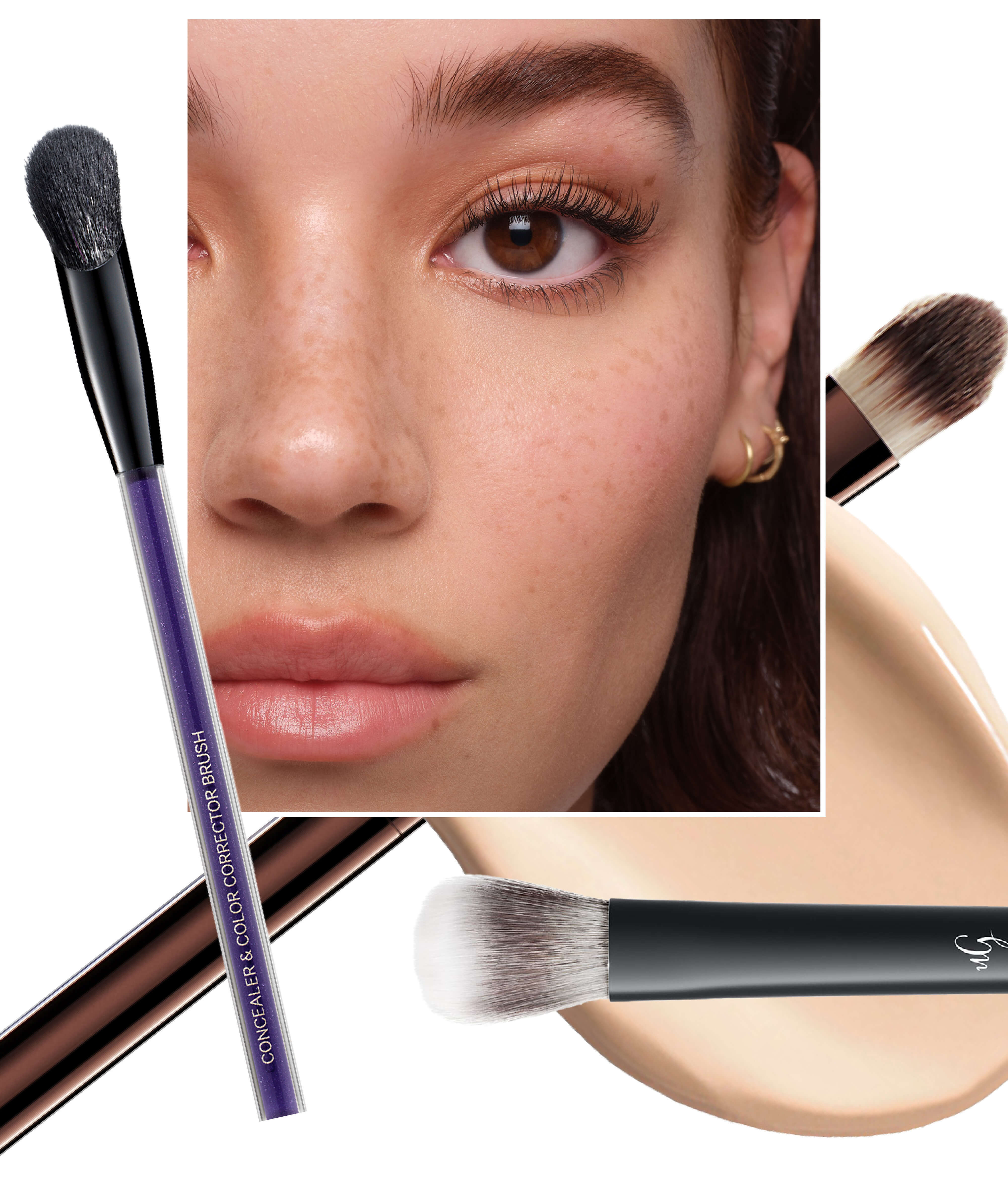
“A brush allows for precise, even application and is particularly well-suited for building coverage. It’s important to start with a small amount of product and blend it in well to avoid brush strokes. Your fingers warm up the product, allowing it to blend beautifully with your skin. This is ideal for creamy textures and small areas. However, the application is less precise, and it’s essential that your hands are clean. The result often looks especially beautiful when you combine the two methods: first, spread the product with a brush or your fingers, and then gently pat it in.”
Does the right shade or base routine change from summer to fall?
“Often, yes. After summer, the skin gradually becomes lighter, so the foundation should be adjusted or mixed with a lighter shade. At the same time, skin can become drier in the fall. In that case, more moisture, a lighter layering, and, if necessary, a more nourishing, less matte formulation make sense. Don’t automatically buy a completely new shade right away: two adjacent shades can be flexibly adjusted to match your current skin tone. Above all, though, make sure your face color matches your neck. I notice significant color differences among my clients, especially in the summer.”
Your pro tip: Where and under what kind of lighting should you test foundation and concealer?
“Test foundation on your jawline, extending slightly toward your neck. And the right lighting is, of course, crucial: Daylight is always the most accurate. Direct sunlight, warm store lighting, and harsh bathroom lighting can distort colors. Also test concealer where you’ll be applying it later—under the eye or directly on the area you want to cover. A cell phone photo taken in daylight can help you spot a concealer that’s too light or too reflective.”