25 Questions with 25SEVEN
25 questions, two skincare experts, and clear opinions.
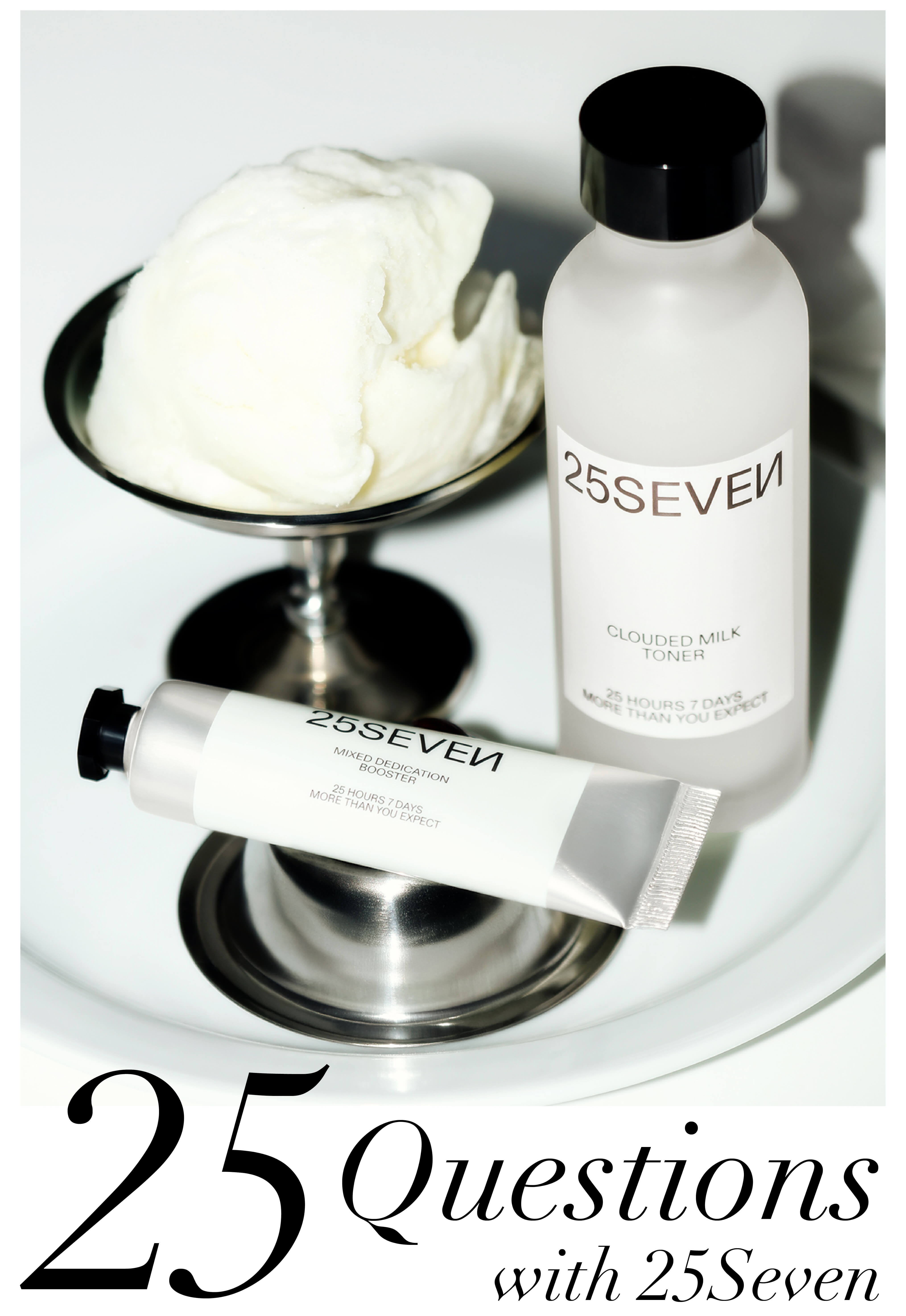
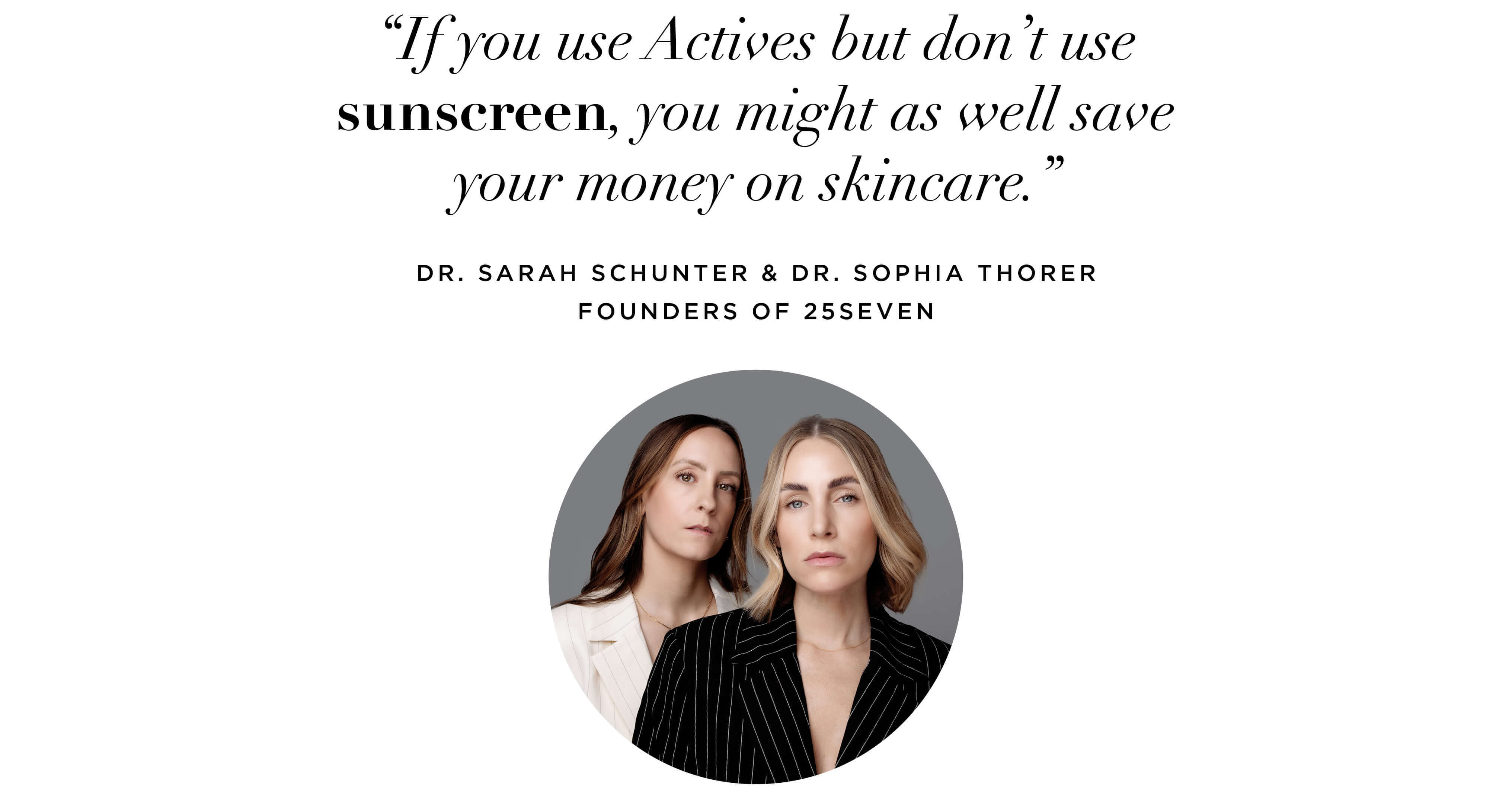
What happens when medical expertise meets biochemical know-how—and two friends decide to develop skincare together? At 25SEVEN, a whole lot. Behind the brand are Sophia, a doctor, and Sarah, a biochemist, who don’t just love skincare—they want to understand it above all else.
We spoke with the two of them about stressed-out skin, overhyped active ingredients, the daily SPF requirement, and their latest launch, LUCID SILK—and, of course, about which of them gets really excited about a new product idea and which one tends to derail the timeline at first...
FIRST THINGS FIRST
1. Sophia, Sarah: Describe each other in three words.
Sarah on Sophia: Determined, ambitious, funny.
Sophia on Sarah: Smart, caring, dry sense of humor ;)
2. Which one of you is the first to get really excited about a new product idea—and who asks the tough questions?
Sophia has a product idea, can picture it right in front of her, and would love to have the new product in her bathroom tomorrow. Sarah, unfortunately, is often the killjoy who asks critical questions and derails the timeline. But that’s probably exactly why we complement each other so well.
3. Doctor meets biochemist: What skincare topic or trend do you still disagree on today?
Probably the topic of exfoliation: Sophia would love to exfoliate daily, while Sarah gets perioral dermatitis just thinking about it. Ultimately, of course, how often you use a product always depends on your personal skin needs and the product itself.
4. What have you each learned about skincare from the other?
Sophia: I’ve learned a lot from Sarah. Early on, she was the one in our circle of friends who really dug deep into skincare and active ingredients—and didn’t just take things at face value, but actually understood them. I think Sarah was even the one who recommended my first retinol to me. It’s actually pretty funny when you consider where we are today.
Sarah: Sophia often comes up with super specialized dermatology insights. That shows me time and again that skincare has its limits. People often expect so much from *that* one serum or *that* one cream, as if a single product could solve all skin problems. But skin health is so much more than just the right product.
5. Be honest: How many skincare products do you currently have in your bathrooms?
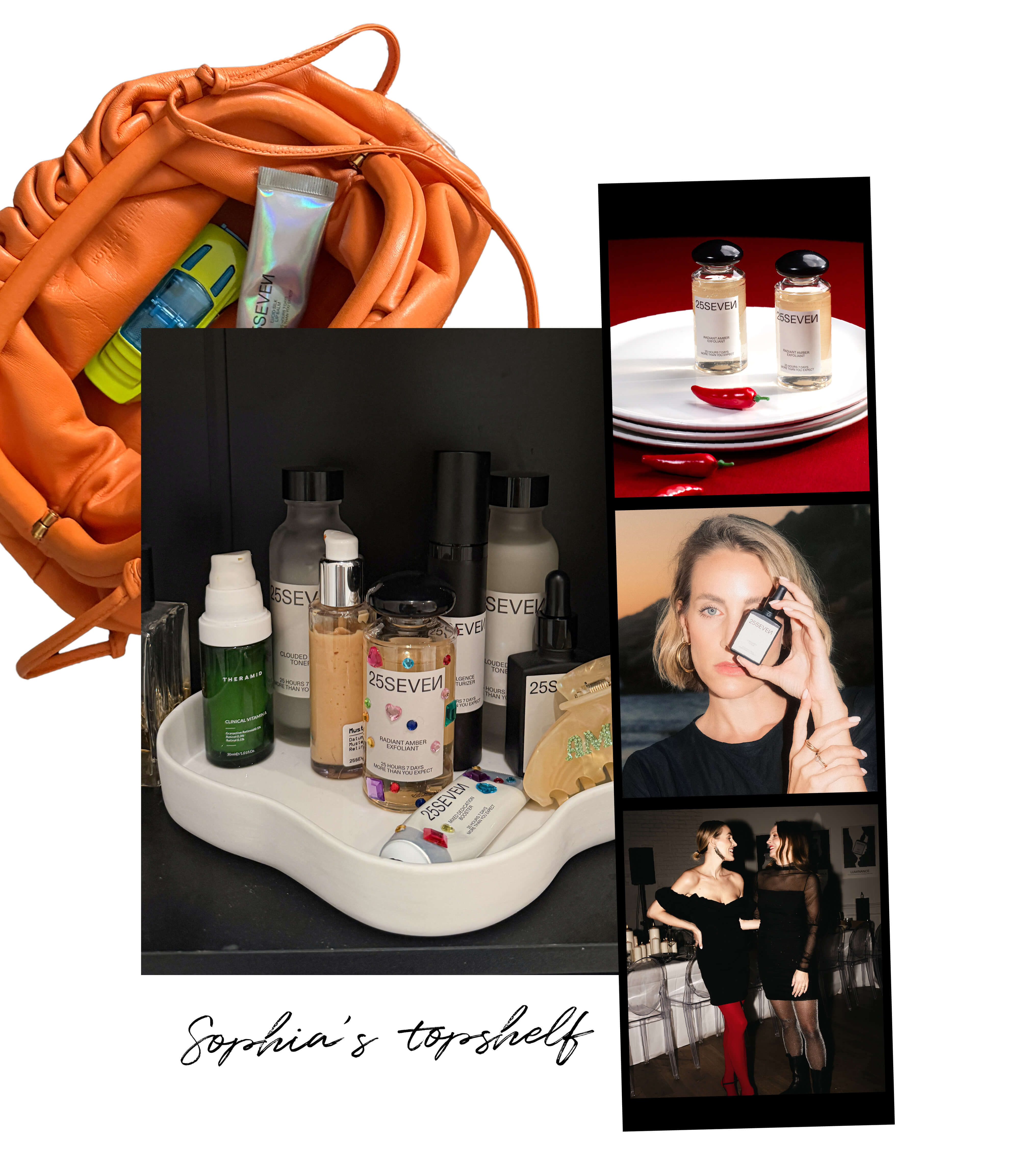
Sophia: For years, I’ve pretty much always had the same products in my bathroom. Once I’ve found a routine that works for me, I usually stick with it. About five products—give or take two, if we’re currently testing new products for 25SEVEN.
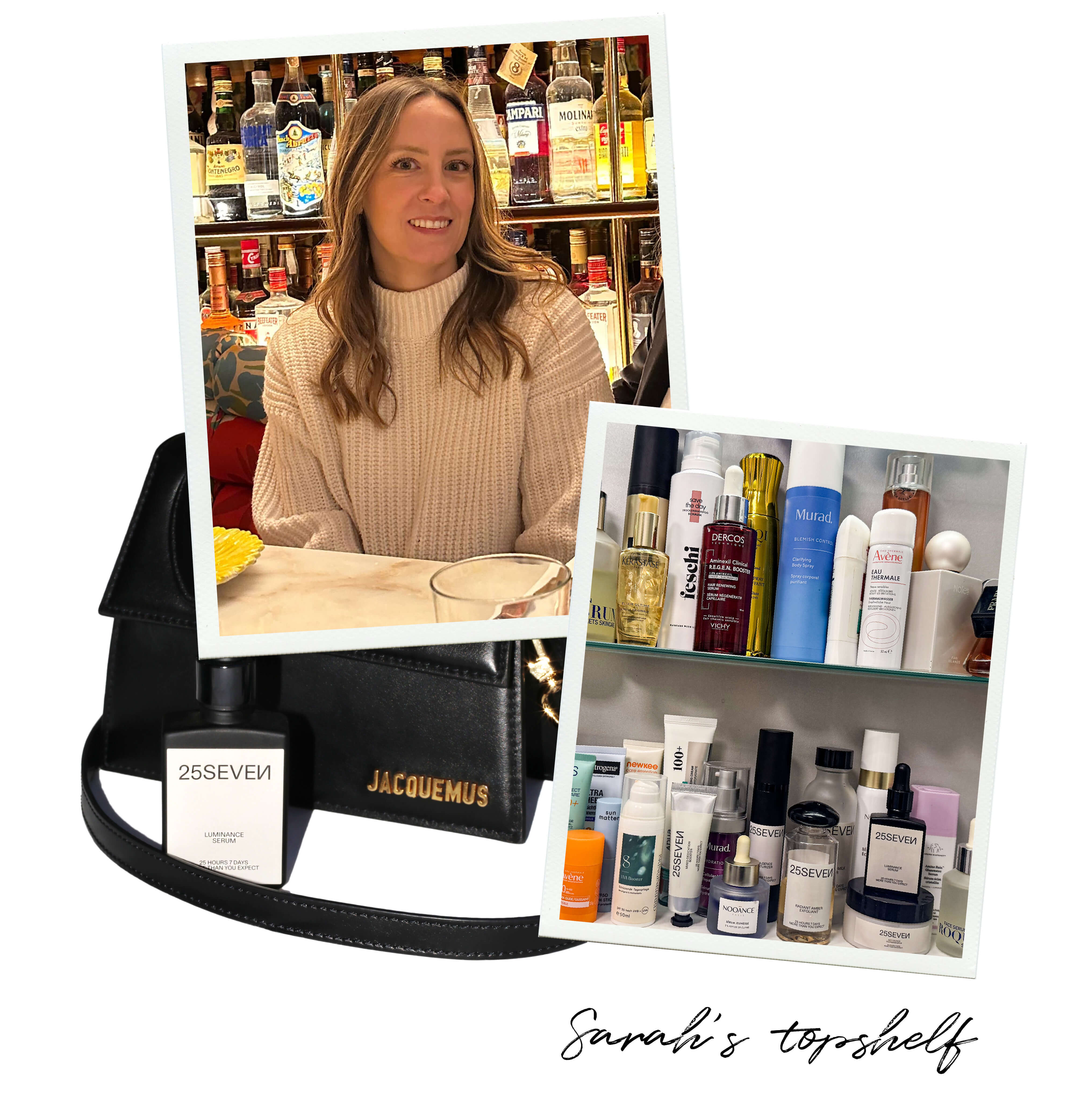
Sarah: Too many for me to ever use up in this lifetime. But in product development, it’s practically part of my job to test different products and textures and research comparable products.
THE DOCTOR IS IN
6. What’s the one skincare mistake you see all the time?
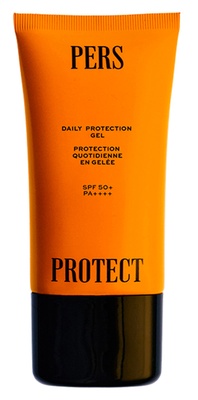
Without a doubt: not wearing sunscreen. If you’re using active ingredients but don’t use sun protection, you might as well save your money on skincare. UV radiation remains one of the biggest external factors affecting the skin, its structure, and its health.
7. A customer says, “My skin is suddenly acting up.” What should she change first?
First, we’d recommend keeping her routine to a minimum. If the skin is suddenly irritated, feels tight, burns, or is red, she should pause anything that could cause further irritation—especially exfoliants and active ingredients like retinol.
Then go back to the basics: gentle cleansing and a barrier-strengthening moisturizer. Often, the problem isn’t a single product, but rather using too many active ingredients at once or simply over-treating the skin.
8. What three things does a good skincare routine really need?
Gentle cleansing, moisturizer, and sunscreen. Once those are in place, the essentials are covered—then we can talk about active ingredients.
9. Which active ingredient is currently overrated—and which one still doesn’t get enough attention?
Whenever “trendy active ingredients” pop up, we get the feeling that they’re being hyped without any real evidence to back them up. Whether it’s PDRN, exosomes, or NAD+—it all sounds incredibly exciting, but often doesn’t deliver. Azelaic acid is a completely different story; it still doesn’t get the attention it deserves. Yet it’s an incredibly versatile active ingredient, especially for blemishes, redness, hyperpigmentation, or acne scars. Plus, it’s well-tolerated by many skin types. Azelaic acid may be less trendy, but that’s exactly what we like: ingredients that convince us with evidence, not hype.
10. Retinoids, vitamin C, peptides, acids: Where do you start if you’re new to the active ingredients game?
Ideally, with what your own skin needs most. Generally speaking, we’d probably put retinoids or acids at the top of the list, because both groups of active ingredients address different skin needs and have well-established evidence supporting their effectiveness in skin renewal.
11. How can you tell when it’s time for “less is more”?
Whenever your skin sends signals that weren’t there before: sudden burning, tightness, redness, flaking, or small blemishes and pustules. Especially when combining many products and active ingredients, it’s worth taking a critical look at your routine and scaling back for the time being. An extreme example of overwhelmed skin is perioral dermatitis—here, using too much or overly rich skincare can be a factor. That’s why our rule is: If your skin looks stressed, that’s not a sign that a product is working. It’s better to simplify your routine, observe your skin, and give it time to calm down.
12. What skincare rule do you follow without exception?
Sunscreen. Every day!
LET’S TALK LIPS
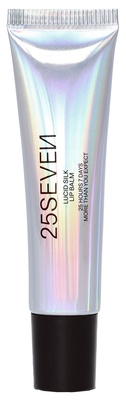
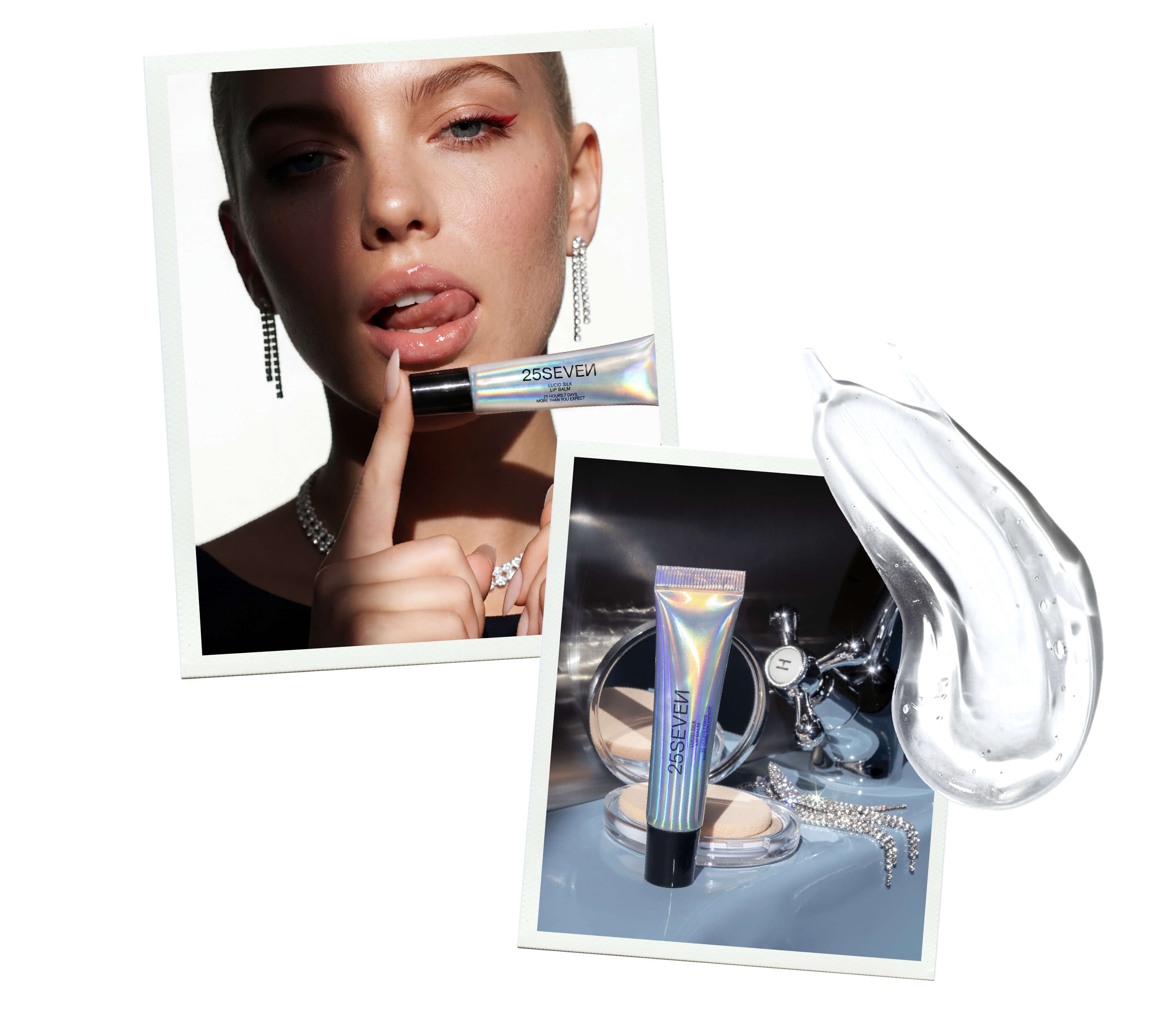
13. Your latest launch is LUCID SILK. Why did 25SEVEN absolutely need a lip balm?
It’s simple: Because we never go anywhere without lip care, keep our favorite lip products within easy reach all over the house, and it’s the last skincare product we apply at night. In short: It’s probably the product we use most often. Plus, well-cared-for lips always look beautiful—even without lipstick or anything else.
14. Rumor has it that the development process nearly drove you crazy. What happened?
We had a very specific vision of what the lip balm should be like: not too light, but also not too sticky, visibly nourishing, and flavorless. Actually a simple task—or so we thought (laughs). Our highlight during development: a completely liquid product that unexpectedly shot out of the tube and was immediately disqualified. But the taste of some samples was also a point of contention—in the truest sense of the word. Sometimes Sophia found the taste unbearable and Sarah couldn’t taste anything, and other times it was exactly the opposite.
15. Two and a half years of development for a lip balm: When did you reach the point where you thought, “Now it’s perfect”?
When Sophia suddenly emptied one of our samples completely and said, “What am I supposed to do now?! The sample is empty—can we get more of this?” That’s when we knew for sure: This is it. When you find yourself reaching for a product again and again without even thinking about it, and integrating it into your daily routine as a matter of course, that’s the ultimate sign for us that it works.
16. From a scientific perspective, what must a truly good lip balm be able to do—and what role do shea butter, squalane, hyaluronic acid, and peptides play in this?
Our lips require special care: the skin there is significantly thinner, and the red part of the lips lacks sebaceous glands, among other things, which normally produce lipids and protect against moisture loss. Shea butter and squalane provide lipids and have a moisturizing effect; hyaluronic acid binds water and supports hydration; and peptides complement the formulation as a nourishing component. This is how we combine moisture with lipids and protection—exactly what lips need.
17. Lip Care Sommelier Sophia: How can you tell if a lip balm is really good?
It’s a bit like meeting someone you don’t know. You can tell within the first ten seconds whether it’s a good fit. You quickly notice two things in particular: Does it feel good on my lips, and do I like the taste? But to be honest: You don’t really know if a lip balm performs well until after one or two hours. If my lips feel drier by then or I have to keep reapplying it, it’s out for me.
18. Sarah, what was your personal non-negotiable for LUCID SILK?
I’m not a fan of fragrances or flavorings in lip care products. Of course, that’s a personal preference, but from a purely skin-physiological perspective, neither has any beneficial effect on the skin. Many people also have sensitive reactions to them—and we wanted to create a low-irritation product, especially for an area as sensitive as the lips.
OFF DUTY
19. What was the first beauty product you ever bought for yourselves?
Sophia: A facial cleansing brush from Shiseido.
Sarah: A moisturizer from Bebe. I think it was just the classic choice back then.
20. The most expensive beauty treatment that, looking back today, you’d say was worth it—or definitely not worth it?
Sophia: For me, it would actually be a hyaluronic acid treatment. Not a traditional filler, but a treatment with hyaluronic acid, which for me makes a real difference, especially in terms of skin quality and that fresh, plump feeling.
Sarah: HydraFacial—sorry to say, not worth it. The treatment is great for an immediate effect or when a special occasion is coming up, but unfortunately, it doesn’t do much for the skin in the long run. I’m more of a fan of classic microneedling. In my opinion, it’s one of the most underrated salon treatments ever, because when used regularly, it can have a real effect on the skin and its texture.
21. What beauty “sin” do you commit yourself, even though you know better?
Sophia: I sometimes overdo it with exfoliants. Of course, I know that more isn’t automatically better, but I still catch myself using them a bit too often. So yeah, even I go overboard sometimes, even though I know better.
Sarah: I take showers that are way too hot. I know what that does to the skin barrier, but especially in winter, there’s hardly anything better after an outdoor run. That’s why I probably won’t change that either.
22. What can you always find in your handbags?
Sophia: My son’s toys and our LUCID SILK lip balm.
Sarah: Besides the usual trio of keys, wallet, and cell phone: sunscreen and lip balm.
QUICK FIRE
23. An underrated active ingredient?
Azelaic acid.
24. An overrated active ingredient?
NAD+.
THE 25SEVEN ROUND
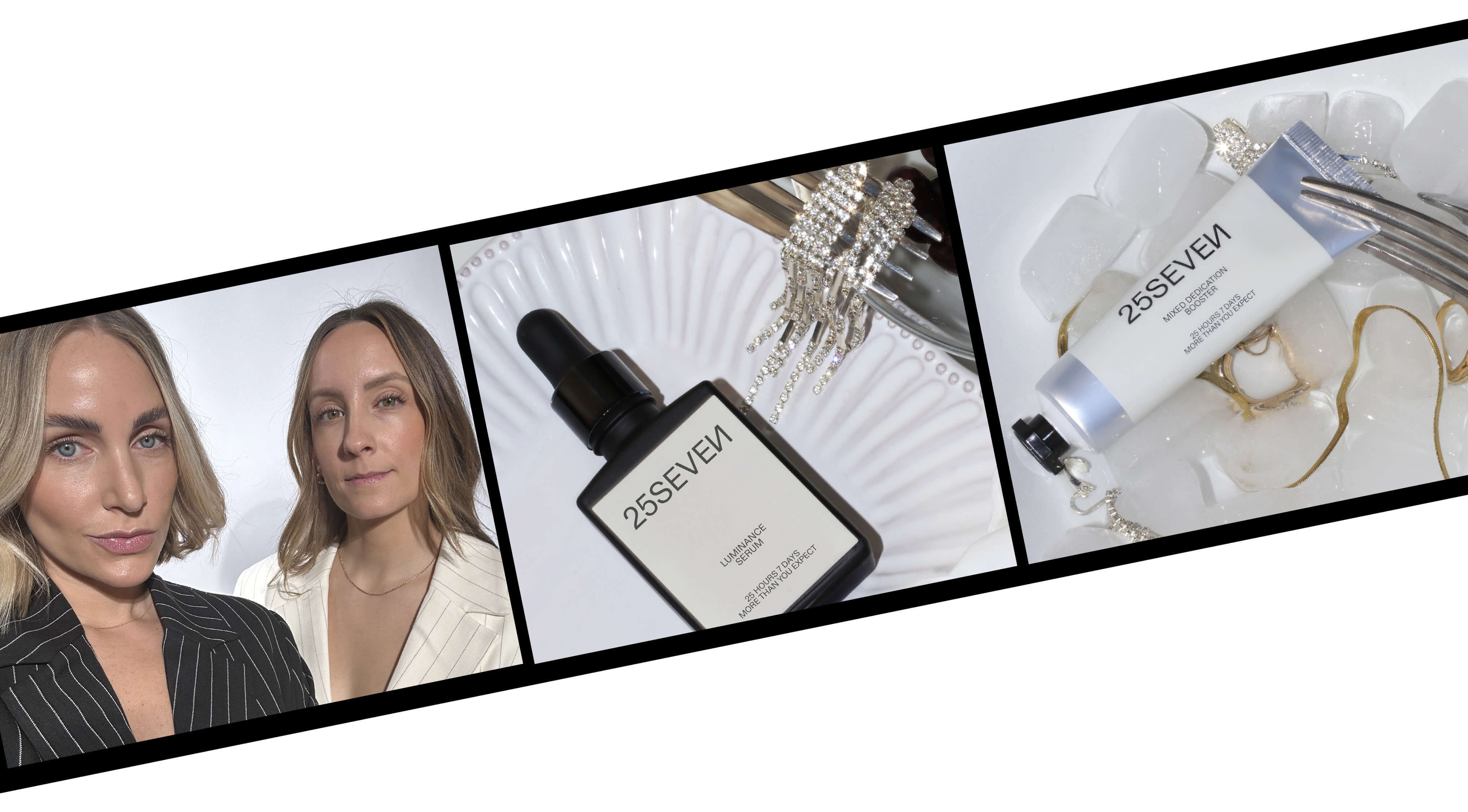
To wrap things up, let’s switch things up: a question from Sophia to Sarah—and one from Sarah to Sophia.
25. SOPHIA ASKS SARAH
Sophia: Which ingredient do you think has a lot of hype but little substance?
Sarah: Definitely NAD+. This cofactor is essential for the body and many of its metabolic functions—nothing works without NAD+. But that’s exactly where the hype begins for me: Just because a molecule is incredibly important in our cellular biology doesn’t mean it automatically has the same effect as an ingredient in a cream. The key questions are: Is the active ingredient stable in the formulation? Does it even reach the area where it’s supposed to work? Spoiler: No, that’s not possible with skincare. And is there solid data showing a relevant effect?
BONUS: SARAH ASKS SOPHIA
Sarah: What treatment would you never let me have?
Sophia: I’d forbid you from getting a NAD+ infusion. It sounds incredibly fancy and like it’s all about longevity, but given what’s currently being promised, the evidence is just way too thin for me. Just transfer the money to me directly ;)