The Nobel Prize Formula
How Cutting-Edge Research Is Revolutionizing Our Beauty Routine
When we think of the Nobel Prize, groundbreaking discoveries in medicine or chemistry are probably the first things that come to mind—perhaps you’re also thinking of Marie Curie? Hardly anyone would associate serums, creams, or sunscreen with it. Yet it is precisely this kind of basic research that lies behind many innovations in modern skincare. What enriches our beauty routines today often began decades earlier in laboratories and has frequently been honored with a Nobel Prize. Want to know which award-winning formulas are sitting on your top shelf? We’ll take you on a journey through the 2000s and introduce you to some remarkable figures…
2003: The Discovery That Hydrates Our Skin
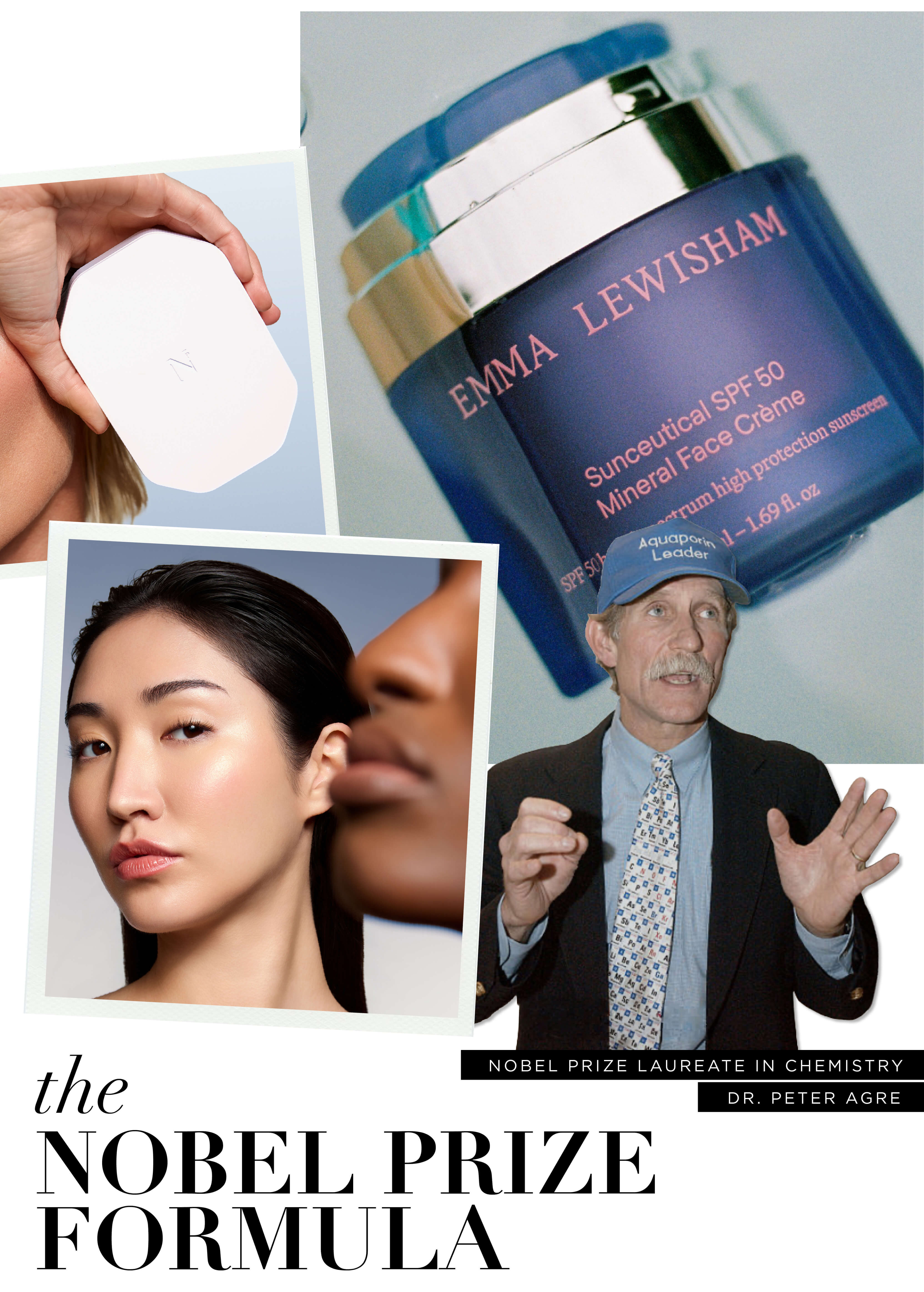
When American chemist Dr. Peter Agre received the Nobel Prize in Chemistry in 2003, it was for something that sounds rather unglamorous at first: aquaporins. These tiny water channels regulate the transport of moisture between our cells—a mechanism now considered crucial for a healthy skin barrier and optimally hydrated skin.
More than twenty years later, this very field of research is playing an increasingly important role in the beauty industry as well. For example, Emma Lewisham recently became the first (!) skincare brand ever to be officially recognized by Nobel laureate Peter Agre for its scientifically developed formulations. This is definitely an acknowledgment that shows just how closely modern skincare and cutting-edge academic research are now intertwined.
The New Zealand-based brand was founded in 2019 by Emma Lewisham—with an approach that combines luxurious, scientifically grounded natural skincare with innovative advancements in sustainability. Developed by leading physiologists and biochemists, the line focuses not on individual ingredients but on skin physiology, with its efficacy confirmed by independent biomedical testing.
2009: Why Anti-Aging Starts in the Cell Nucleus
The 2009 Nobel Prize in Medicine was awarded to Elizabeth Blackburn, Carol Greider, and Jack Szostak for their discovery of telomeres and the enzyme telomerase. In simple terms: they deciphered a mechanism that significantly influences how our cells age.
We don’t need to tell you that terms like “healthy aging,” “longevity,” and “cellular regeneration” are heard daily in the beauty world these days. However, you may not be aware that this Nobel Prize-winning research has fundamentally changed our understanding of skin aging and shifted the focus to the biological processes behind aging. This shift in perspective has significantly influenced the development of modern skincare.
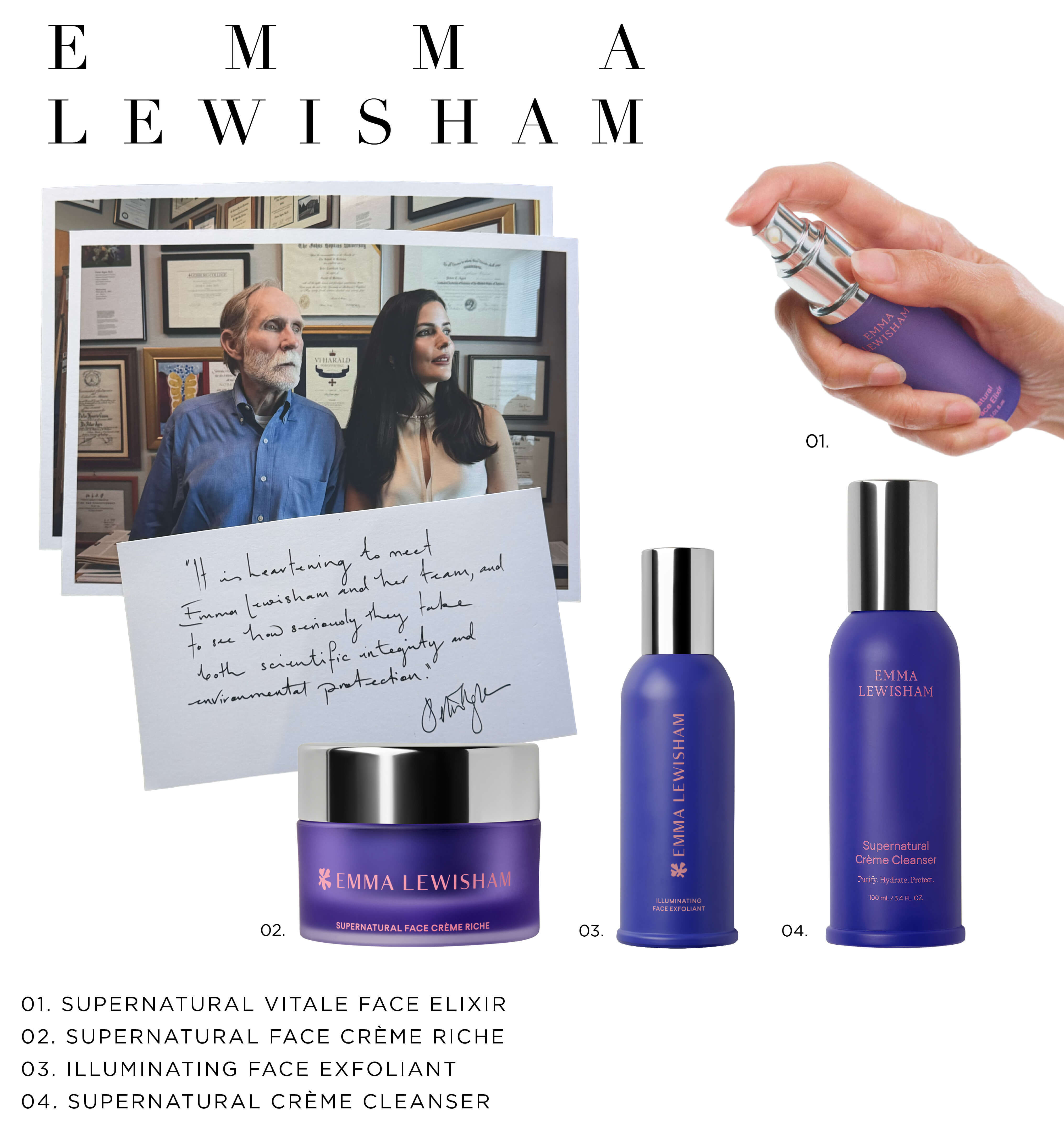
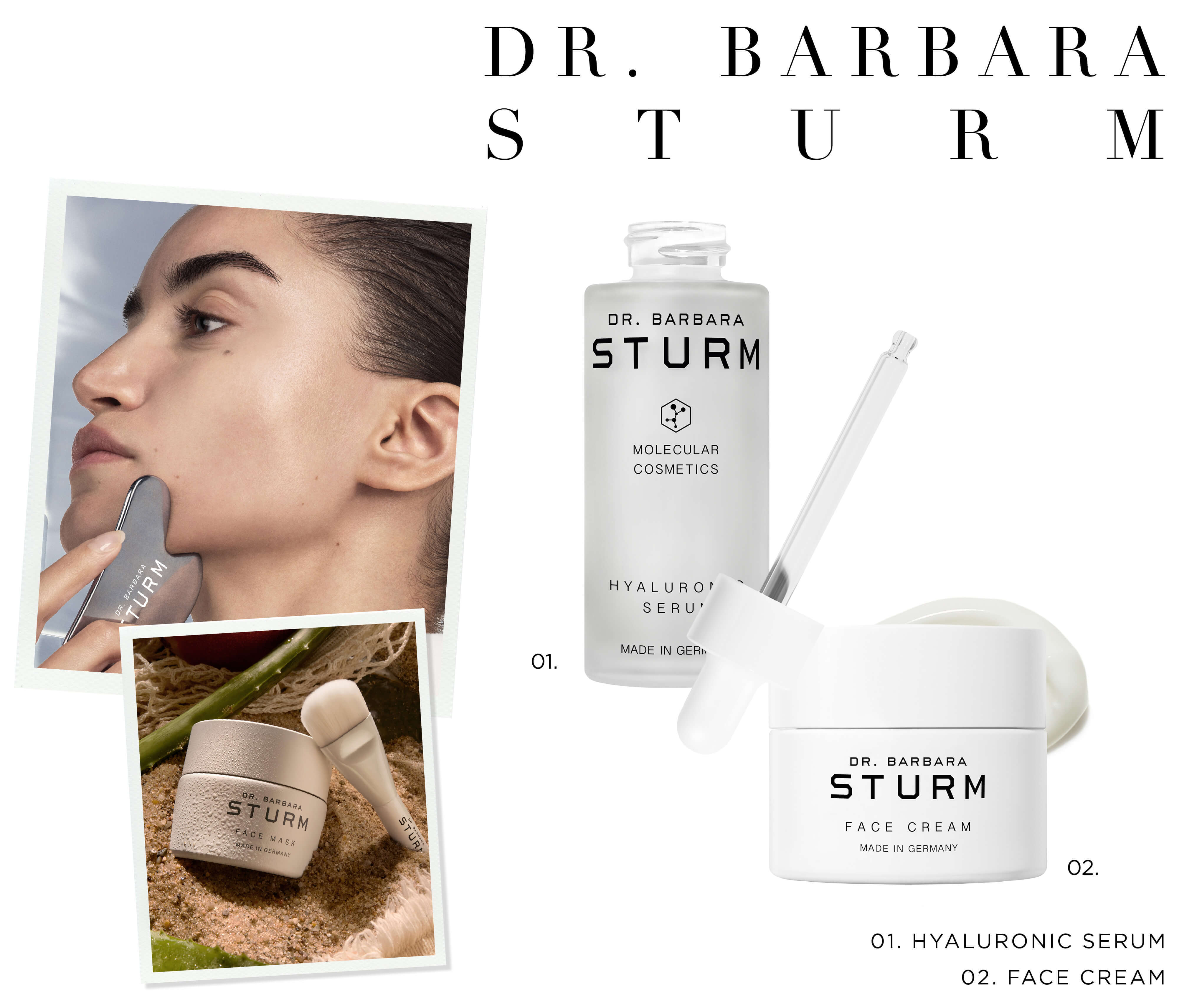
Renowned brands such as Augustinus Bader and Dr. Barbara Sturm embody this shift. Augustinus Bader, for example, developed his skincare line based on decades of research in regenerative medicine and, with his patented TFC8® complex, aims to support the skin’s own renewal processes. The German brand Dr. Barbara Sturm takes an inflammation-based approach with its molecular skincare, focusing on protecting the skin barrier and reducing chronic microinflammation. Both brands demonstrate how insights from modern biology and medicine are shaping the development of high-quality skincare today—even if they aren’t directly based on telomere research.
2015: When the Skin Repairs Itself
The 2015 Nobel Prize in Chemistry was awarded to researchers Tomas Lindahl, Paul Modrich, and Aziz Sancar for their work on DNA repair mechanisms. Their research revealed for the first time in detail how our bodies detect and repair damage to DNA—such as that caused by UV radiation (keyword: sun protection).
These findings have redefined our understanding of skin health and pointed the cosmetics industry in an important direction: Every instance of unprotected sun exposure triggers repair processes. Modern skincare has therefore long since moved beyond simply preventing sunburn to focus on strengthening the skin barrier, reducing oxidative stress, and supporting the skin’s natural protective mechanisms as effectively as possible.
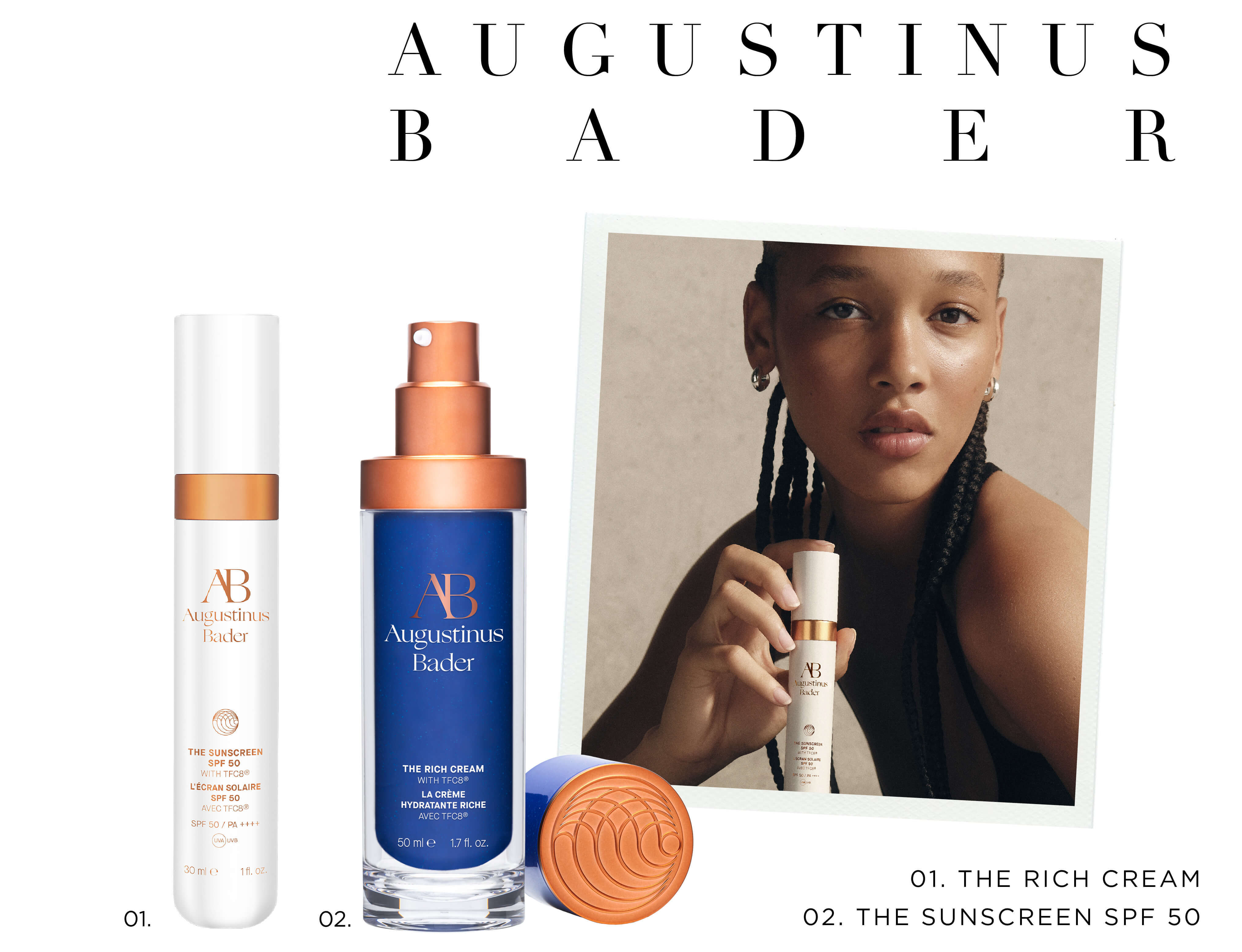
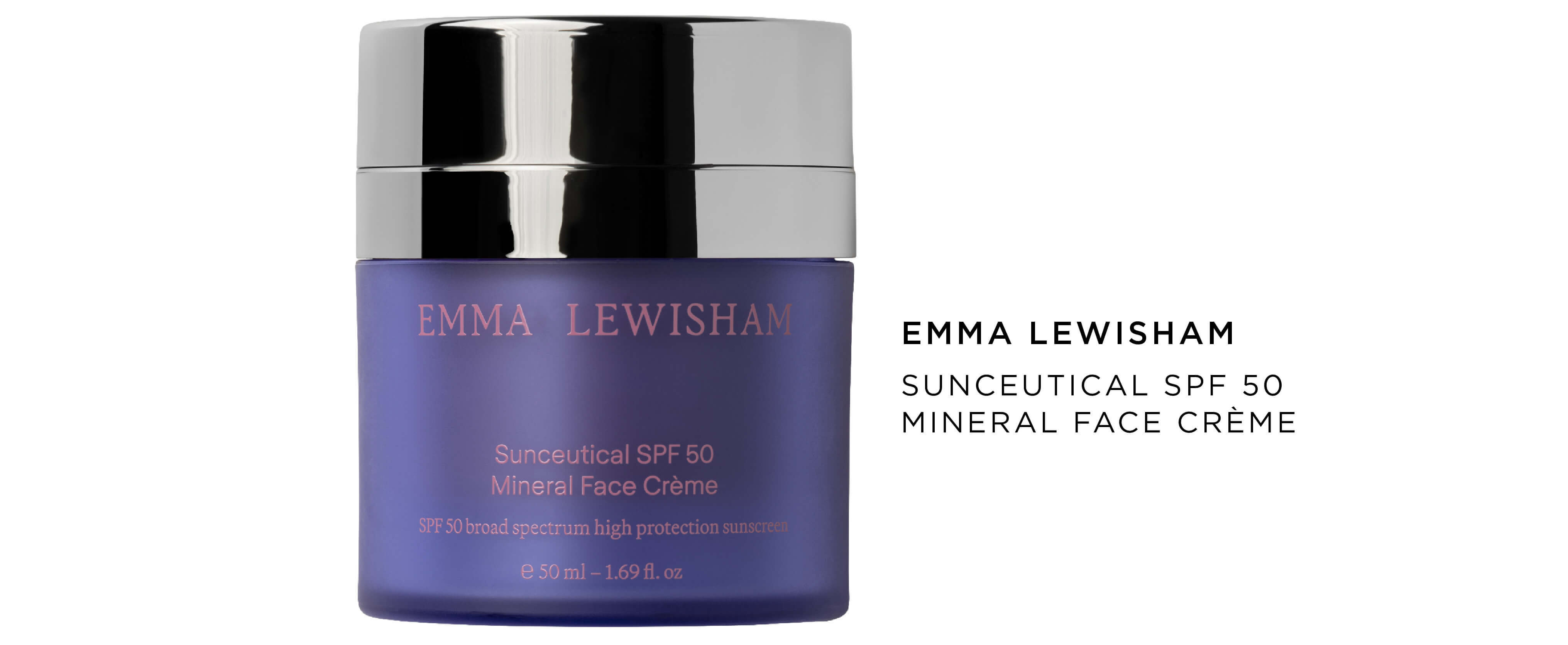
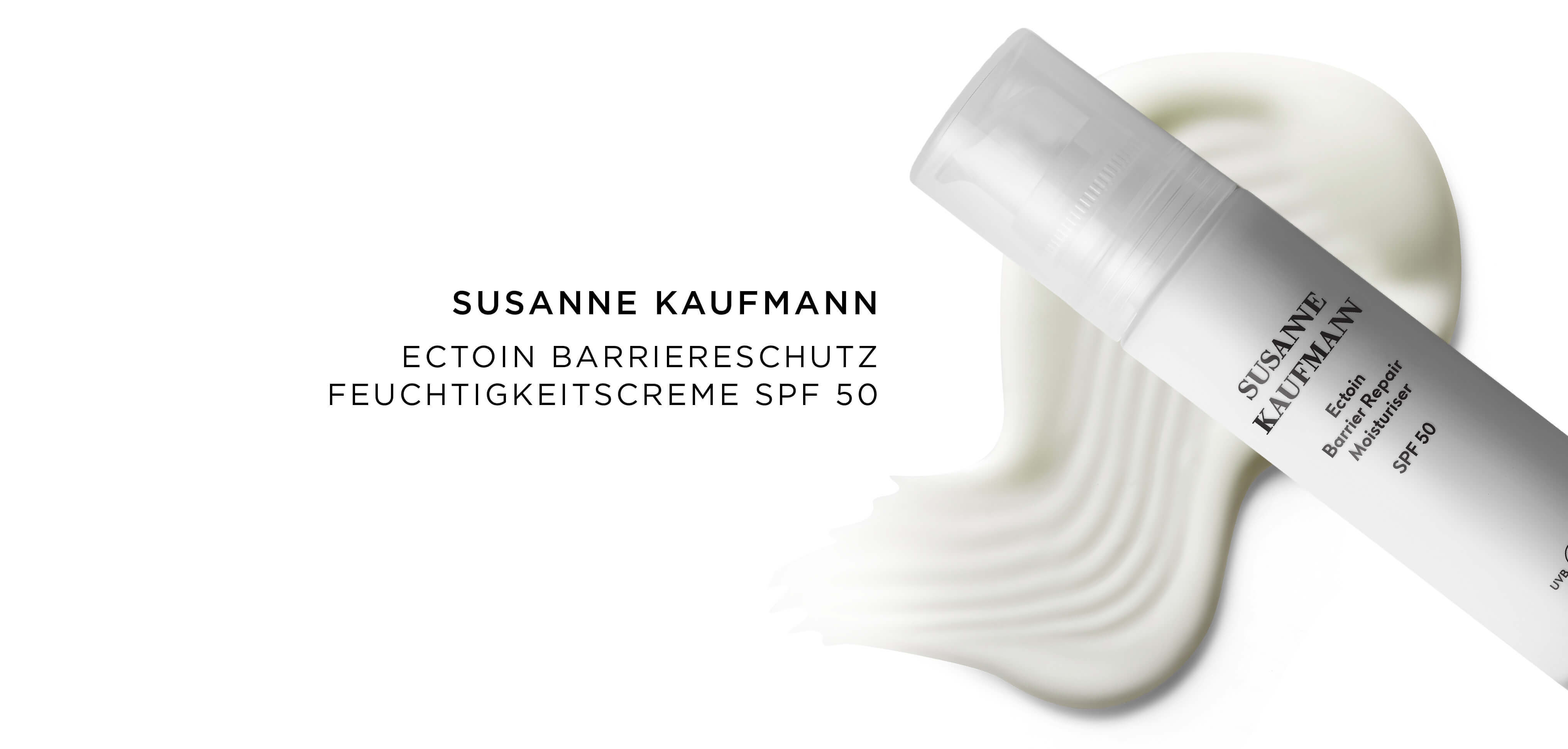
Today, daily sun protection is therefore one of the most important recommendations from dermatologists and experts worldwide. Brands like Emma Lewisham pursue this holistic approach with antioxidant formulations and advanced UV filters, while Susanne Kaufmann relies on the cell-protecting active ingredient ectoine in its Ectoin Barrier Protection SPF 50 (launched this year and Susanne’s first SPF product!). This ingredient helps protect the skin from environmental stress and strengthen its natural resilience. Our tip: Look for these benefits and active ingredients when choosing your sunscreen. Your skin will thank you.
2016: The Nobel Laureate Founds His Own Beauty Brand
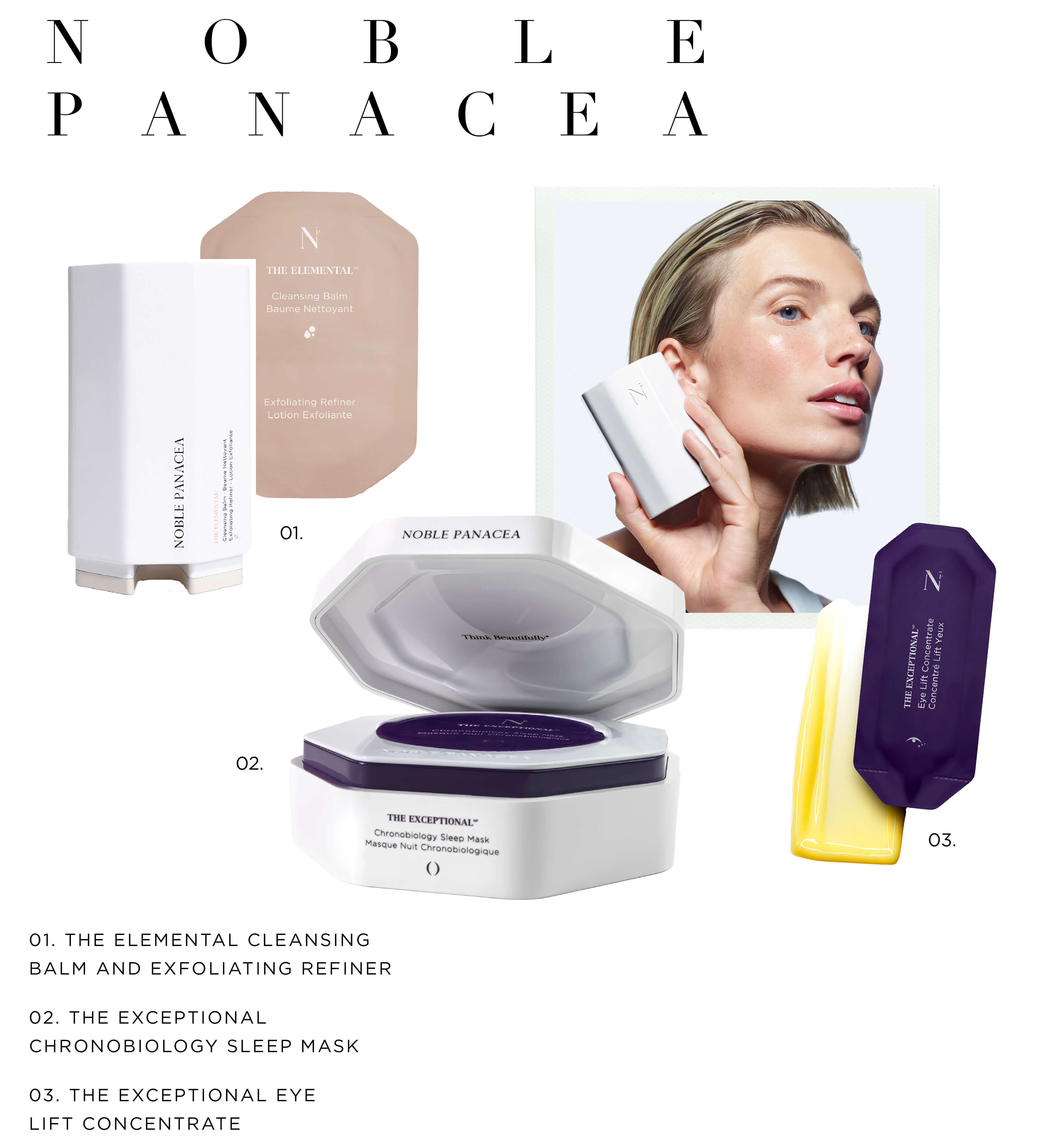
Just one year later, Sir Fraser Stoddart received the Nobel Prize in Chemistry for his research on molecular machines. Unlike many Nobel laureates, he translated his research directly into a skincare brand, which has been available at Niche Beauty since 2023 and ranks among the top brands in this category.
With Noble Panacea, he founded a brand that translates its research directly into patented active ingredient technology. The so-called Organic Super Molecular Vessel™ technology encapsulates active ingredients at the molecular level and releases them in a controlled, time-delayed manner. The goal? Maximum efficacy with optimal formulation stability. Hardly any other beauty brand bridges the gap between Nobel Prize-winning research and skincare more directly. Applause!
2024: The next beauty revolution?
The most recent Nobel Prize in Medicine honored the discovery of microRNA—tiny regulators that control which genes are active in our cells. This field of research is still largely confined to the scientific realm, but experts see great potential in it for personalized skincare, regeneration, and healthy aging. Perhaps the active ingredients that will shape our beauty routines in ten years’ time already stem from this very research? It remains to be seen…